The Shaking Heart of a "Boy In Luv": Navigating Early Love's Tumult
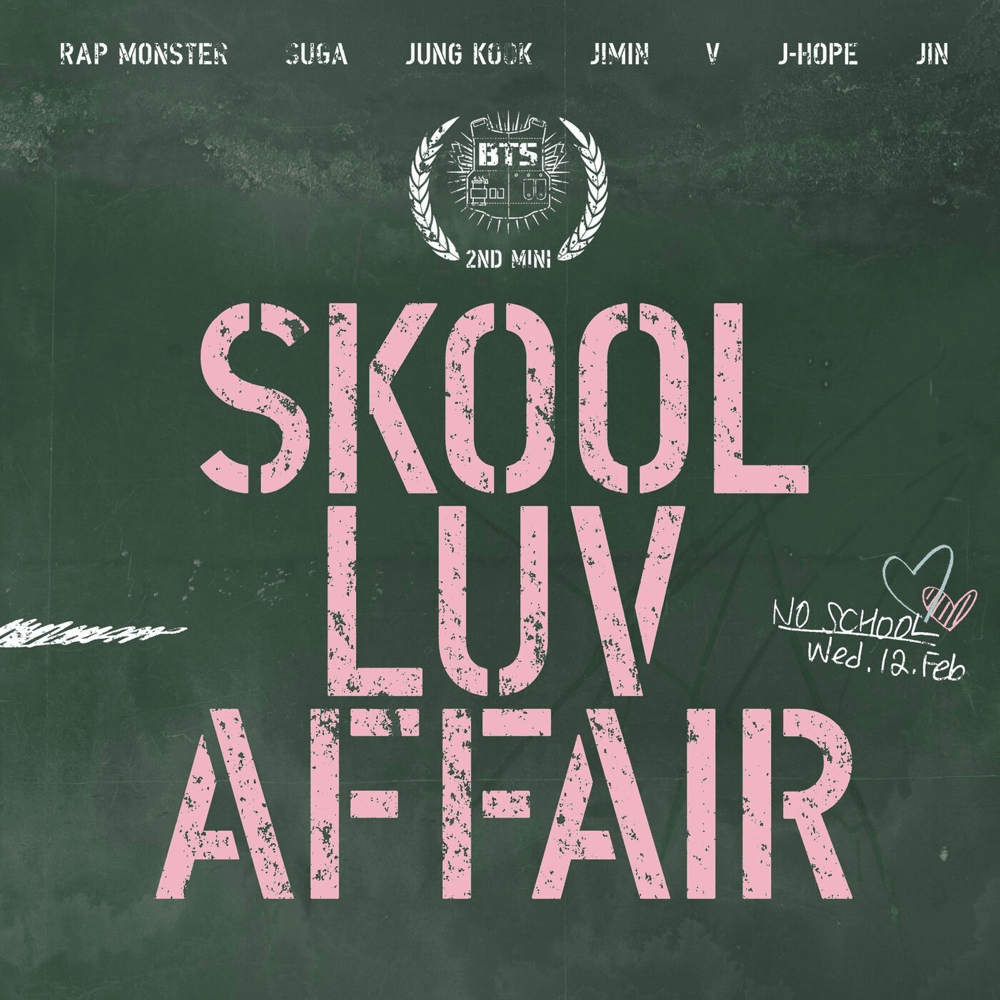
Few K-pop anthems capture the raw, unpolished intensity of youthful infatuation quite like BTS's "Boy In Luv" (Korean title: 상남자, Sang-namja). Released in 2014 as part of their Skool Luv Affair album, this track plunged listeners into the turbulent emotional world of a young man wrestling with his feelings, desperate to transition from mere acquaintance or friend to a cherished lover. It's a vivid exploration of vulnerability masked by bravado, a hallmark of BTS's early, more hip-hop-influenced era.
At its core, "Boy In Luv" is a direct, almost confrontational plea for reciprocation. The protagonist isn't just shyly admiring from afar; he's actively, if awkwardly, trying to make his intentions clear. The recurring line, "Why are you shaking up my heart?" perfectly encapsulates the central theme: the girl's mere presence or perceived indifference sends his emotions into a chaotic spiral. This isn't just a crush; it's an all-consuming agitation that turns a "big boy" into a "little kid," revealing a profound insecurity beneath the surface.
The lyrics paint a picture of internal conflict. He's "mad, sulky, whining for no reason," yet "serious" about his feelings. This paradoxical behavior is deeply relatable to anyone who has experienced the disorienting effects of unrequited or uncertain love. It highlights the struggle to maintain composure and coolness when one's heart is completely stirred. This emotional transparency, even in its messy form, was a powerful statement from a burgeoning group, setting a precedent for the genuine, often confessional storytelling that would become a cornerstone of BTS's artistry. For a deeper dive into the raw feelings, read The Emotional Turmoil of "Boy In Luv": BTS's Candid Confession.
From Friendzone Frustration to Fierce Declaration
The narrative arc of "Boy In Luv" is quintessential friendzone escape. The protagonist is unequivocally stuck, feeling the sting of being overlooked or misinterpreted. His fervent declaration, "I want to be your oppa / I'm starving for your love," isn't merely a statement of desire; it's a cultural plea. In Korea, "oppa" signifies not just an older male, but a protective, caring, and often romantic figure. The protagonist desperately wants to embody this role, moving beyond the casual friendship to a relationship where he can openly cherish and claim her.
His frustration escalates as he grapples with the friendzone's invisible barriers. He contemplates traditional romantic gestures, like writing a letter, but immediately feels inadequate, reduced to "dust" in her presence. This self-deprecating humor and vulnerability are key to understanding the depth of his feelings. He's not just complaining; he's genuinely perplexed by the situation, even seeking guidance from his father on how to confess to his mother!
Yet, amidst the self-doubt and petty squabbles, a fierce determination emerges. "But, I'm going to flip the situation, from friends to lovers," he vows. This declaration marks a turning point, signaling a refusal to remain passive. It’s the moment the "boy in luv" decides to fight for his feelings, no matter how clumsy or uncoordinated his efforts might seem. This isn't just about winning her over; it's about asserting his own worth and the sincerity of his heart, transforming nervous energy into a bold, albeit still somewhat uncertain, pursuit.
Decoding the Desperation: Infatuation and Its Quirks
The lyrics of "Boy In Luv Bts" brilliantly capture the almost obsessive behaviors that often accompany intense infatuation. The protagonist's actions are starkly relatable: "Your profile picture is the same, but why do I keep checking it?" he asks, echoing the endless scrolling and monitoring that social media enables in modern romance. He reads her messages, sees the dreaded "1" disappear (indicating she's seen it), and burns with anticipation and anxiety over her lack of reply.
This digital-age anxiety is paired with a mounting desperation. "I'm getting desperate, I'm getting desperate / Who do you think you are? Are you all that?" he exclaims, a blend of frustration and a challenging spirit. He feels teased, pushed to his limits, and demands clarity: "Say what you want / Say what you want / What is it that you really want?" This isn't just an angry outburst; it's a plea for direct communication, a desire to understand her true feelings so he can adjust his approach or, perhaps, finally give up the chase.
The internal conflict is palpable. He oscillates between feeling like a "loser who picks fights" and believing he has "genuine feelings" and "guts." The song masterfully portrays the push and pull of ego and vulnerability, where pride clashes with a deep yearning for connection. This dynamic, where the potential for a relationship holds such sway over one's emotional state, is a powerful illustration of love's unpredictable nature. For a more detailed breakdown of the lyrical intricacies, explore "Why Are You Shaking Up My Heart?": Decoding BTS's "Boy In Luv" Lyrics.
Beyond the "Bad Girl": Unpacking the Protagonist's Guts and Growth
While the protagonist labels the girl a "bad, bad girl" (both inside and out) for her teasing and indifference, this is less an accusation and more a reflection of his own bruised ego and intense emotional state. It's a defense mechanism, a way to project blame while simultaneously trying to assert his value. He warns her that she'll "regret it" if she lets "a guy like me slip away," highlighting his genuine belief in his own worth and sincerity, despite his awkwardness.
His confidence, though wavering, shines through in his promises of unwavering support: "If you're ever sick, don't call 911 but call me." He vows to cry if she tells him to cry, smile if she tells him to smile—an almost childish but deeply earnest pledge of devotion. This illustrates a profound commitment and a desire to be her rock, to provide the kind of steadfast love he believes she deserves. He may lack "beauty" in his own eyes, but he emphasizes his "genuine feelings" and "guts"—qualities he considers far more important for a lasting connection.
The journey of the "boy in luv" is one of self-discovery through emotional turbulence. He learns to articulate his desires, even if imperfectly, and to persist despite setbacks. His transformation from a sulking boy to a determined suitor, ready to "run to you right now," showcases a budding maturity and an understanding that love often requires courage and directness. It's a valuable lesson in resilience when facing the complexities of romantic feelings.
"Boy In Luv": A Milestone in BTS's Emotional Storytelling
"Boy In Luv" remains a significant track in BTS's discography, not just for its catchy beats and powerful choreography, but for its honest portrayal of youthful emotion. It’s a song that speaks to the universal experience of longing, frustration, and the fervent desire for connection that defines early love. The raw, almost aggressive energy of the track, combined with its underlying vulnerability, created a unique blend that resonated deeply with their burgeoning fanbase.
This song perfectly encapsulated the "school trilogy" concept of BTS's early years, focusing on the pressures and feelings of young people. It showed a side of masculinity that was strong and determined, yet also openly confused and deeply sensitive. The Boy In Love Bts era was crucial in establishing BTS as artists who weren't afraid to tackle complex emotions and societal issues, even in the context of a passionate love song.
Ultimately, "Boy In Luv" is more than just a declaration of love; it's a narrative of emotional awakening. It celebrates the guts it takes to lay one's heart bare, the frustration of miscommunication, and the unwavering hope that genuine feelings will ultimately prevail. It's a timeless reminder that sometimes, the most fierce expressions of love come from the most vulnerable of hearts, tirelessly shaking and striving to be understood.